
Anyone who works in a kitchen knows that hands are always the most vulnerable to injury. Daily tasks like chopping vegetables, preparing ingredients, washing dishes, and handling hot oil not only make nails prone to cracking but can also lead to “nail edges missing,” meaning the nail edges are gone, broken, or uneven. This not only affects appearance but can also be quite disheartening. As a chef, I decided to use a nail drill to repair my fingertips, restoring my hands to their former elegance while maintaining both professional hygiene and aesthetics.
Facing the challenge of no armor edge
The appearance of brittle nails often makes hands look rough, dry, and even a little embarrassing. When working in the kitchen, brittle nails are easily scratched or broken and can also cause inconvenience when handling food. That day, I noticed that the edge of my index fingernail was almost missing, and my middle finger was also broken, which made me determined to repair my fingertips.
I felt a little nervous when I picked up the nail drill, but slowly, as the drill bit gently rotated, I discovered that its precision and efficiency far surpassed hand polishing. The rough nail surface was evenly polished, the damaged edges were smoothed, and the fingertips gradually regained their smoothness. When I felt this sense of control for the first time, I couldn’t help but smile—it turns out that even in a busy kitchen, fingertips can be restored to a refined state.
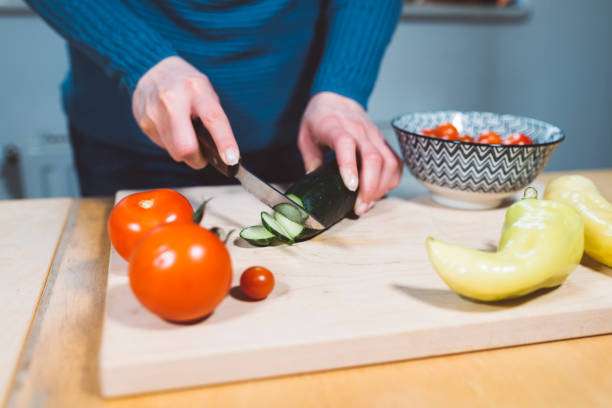
Nail drill operation techniques
Nail drills are not only efficient but also give a professional look. However, to maximize their effectiveness, some basic techniques need to be mastered:
Select grinding head
The coarse abrasive head is used to remove residual keratin and cracks from the nail surface;
The medium-sized grinding head is used for gentle polishing, allowing the nail polish or top coat to adhere evenly.
Fine buffing tips are used to refine the edges and corners of the nails, preventing over-buffing.
Control the speed
Beginners are advised to operate at a low speed to avoid overheating or damaging the nail surface;
Once you are proficient, you can increase the speed appropriately to save time while maintaining safety.
Armor Steps
Applying nourishing oil or nail strengthener after buffing helps improve fragile nails.
Regularly care for the cuticle and nail edges to reduce the risk of breakage.
Through these techniques, my fingertips gradually returned to their original shape, and they can maintain a healthy shine even when I frequently use my hands in the kitchen.
Hygiene precautions for chefs getting manicures
Hand hygiene is a crucial consideration when working in the kitchen. Manicures or nail restorations need to balance cleanliness and safety.
Food handlers should keep their nails clean, neat, and properly trimmed.
Artificial nails, or fake nails, may not be recommended in some work environments, especially when gloves are not worn.
It is best to keep the nail surface intact when applying nail polish to avoid peeling or breakage in order to reduce the potential risk of contamination.
Some restaurants may have restrictions on artificial nails or brightly colored nail polish. It is advisable to wear gloves when handling food to ensure safety and cleanliness.
Therefore, when using a nail drill to repair missing nail edges, I mainly use a natural nail surface repair method combined with a base coat, rather than long false nails or heavy colors. This maintains healthy fingertips while also ensuring a clean and safe kitchen work environment.
From Restoration to Daily Rituals
As the repair results became apparent, I started to treat nail restoration as a small ritual. Every day after work, after cleaning the kitchen, I would sit in a quiet corner, turn on some soft music, pick up my nail drill, and groom my nails.
This process is not only about aesthetics but also a form of psychological therapy. Psychological research shows that fine motor skills can relieve stress and anxiety. Filing nails, repairing brittle nails, and applying nail polish—each step can calm the mind and provide a sense of self-care after a busy day.
The professional feel of a nail drill
Using a nail drill not only improves repair efficiency but also brings a sense of professionalism:
High precision: It can smoothly handle even small cracks or breaks.
Highly efficient and time-saving: Saves a significant amount of time compared to hand polishing;
Reduced damage: Scientifically designed grinding head and speed control protect the nail surface and reduce the risk of secondary damage.
This sense of professionalism allows me to feel in control and accomplished even in my busy kitchen life.
Chef’s Nail Salon Life
The process of repairing fingertips can also bring beautiful moments to life:
When I watch TV after getting off work, I do my manicure while enjoying the peace and quiet.
Adjusting the grinding head sequence, applying nail polish, recording the changes in your fingertips—every step is like stamping a mark on your life.
Occasionally try simple colors or small patterns, letting your fingertips become a window for self-expression.
Every time my fingertips are smooth and shiny, it reminds me that even with a busy work schedule, I can still maintain beauty and elegance.
Psychological and Lifestyle Perspective
Through daily nail drill repairs, I’ve gradually come to understand the psychological value of manicures:
A sense of self-control: Repairing smudged nail edges gives you a sense of control over both your hands and your mood.
Psychological healing: Delicate techniques can relieve stress and form a routine psychological adjustment.
A sense of ritual and satisfaction: From the order of operations to the final completion, every step is a self-reward, reinforcing self-worth and self-affirmation.
Nail art is not just about appearance; it’s a philosophy of life: treating yourself well through small details and maintaining emotional balance even in a high-pressure work environment.
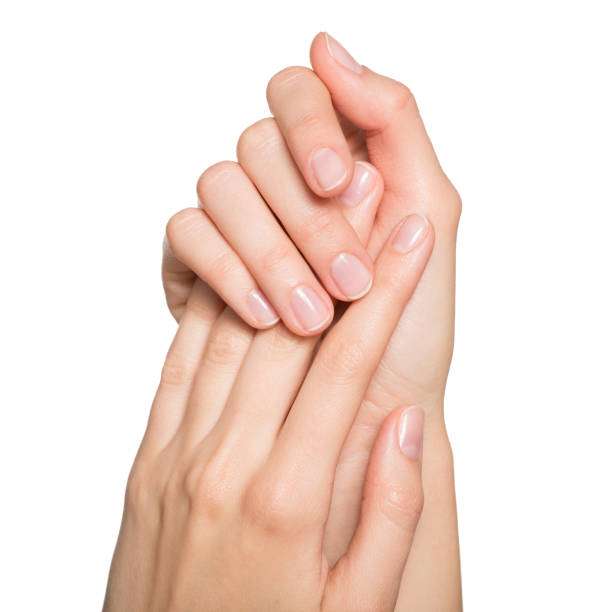
Nail drill usage and care recommendations
To maximize the effectiveness of nail drills while protecting nail health, it is recommended to pay attention to the following points:
Grinding head cleaning: Clean promptly after use to prevent bacterial growth.
Replace the polishing head regularly: Wear and tear can affect the polishing effect and the health of the nail surface;
Use with nail strengthener and nourishing serum: After buffing, care for the nail surface to prolong shine and health.
Properly control the rotation speed: Avoid prolonged operation at high speeds to protect the nail surface.
Master these methods, and even when working in the kitchen, you can care for your fingertips like a professional nail technician while maintaining both cleanliness and safety.
Summary and Action Recommendations
As a chef, I deeply understand the importance of hands. Nail drill repair not only restores the delicate shape of my fingertips but also brings psychological healing and a sense of ritual to my life. At the same time, adhering to workplace hygiene standards ensures a safe and compliant repair process. From initial embarrassment to current enjoyment, each procedure is a gentle act of care for myself.
If you also want to experience a professional, efficient, and psychologically therapeutic nail art experience, why not try a nail drill, paired with basic nail care, so that every nail treatment becomes a refined ritual after a busy day?
If you’re a chef like me and have the same concerns, why not buy a nail drill now and reshape the beauty of your fingertips?