
In the nail art process, a nail drill is one of the most commonly used tools. It can quickly shape the nails, remove dead skin, and buff gel nails, making the nail art look more professional. However, many people tend to overlook a crucial issue—the sterilization and cleaning of the drill bit. If the drill bit is not properly sterilized, it will not only affect the nail art results but may also pose health risks.
I once did a manicure for a friend at home and simply put the used nail drill bits back into the storage box. A few days later, gray residue appeared on the drill bits, and there was even a slight odor when I used them. This experience made me realize that sterilizing nail drill bits is crucial. Next, I will share the best methods and precautions for sterilizing nail drill bits in both home and professional settings.
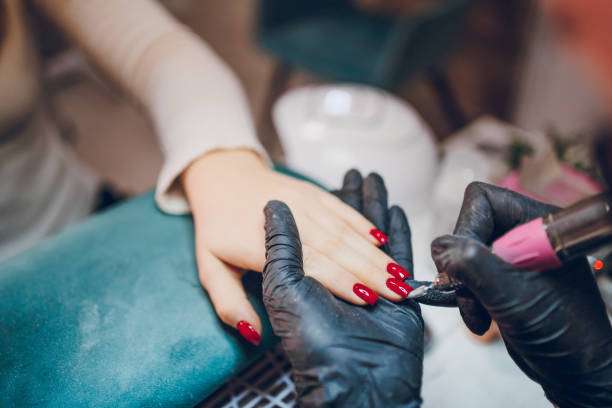
Nail drill bits
The drill bit is the most important part of a nail drill, as it comes into direct contact with nails, cuticles, and dead skin. Residual nail powder, dead skin cells, keratin debris, and even bacteria, if not properly cleaned and disinfected, can cause cross-contamination during subsequent uses.
In professional nail salons, drill bits are used frequently. Inadequate disinfection can lead to skin allergies and infections in customers and also negatively impact the salon’s service quality and reputation. Therefore, drill bit disinfection is crucial for both home users and professional nail technicians.
Alcohol disinfection: A convenient option for home nail care
For home users and small nail salons, alcohol disinfection is the most common and practical method. Typically, 70%–75% alcohol is used to soak the drill bits for a few minutes; then they can be air-dried or wiped with a lint-free cloth. Alcohol can quickly kill most bacteria and fungi, and it’s inexpensive and easy to use.
Precautions for using alcohol for disinfection:
Clean and disinfect
the drill bit first. Dust and powder on the surface must be removed first; otherwise, alcohol can only play a partial role in sterilization.
Prolonged
Soaking may cause slight corrosion to tungsten carbide or ceramic drill bits. The best practice is to soak them quickly to ensure effective sterilization while protecting the drill bit’s lifespan.
small
Brush to remove residue from the drill bit’s crevices, then quickly soak it in a small glass of alcohol. This ensures sterilization while preventing damage to the drill bit. Drill bits treated in this way are smoother to use, reducing uneven grinding and overheating.
UV disinfection: the most effective choice for professional nail salons
Ultraviolet (UV) disinfection works by destroying the DNA of bacteria and viruses. Professional nail salons are typically equipped with UV disinfection boxes that can thoroughly disinfect drill bits without contact with liquids.
Advantages of ultraviolet disinfection:
It has no corrosive effect on ceramic and tungsten carbide drill bits.
No drying time required, easy to operate.
Environmentally friendly and safe, reducing the use of chemical disinfectants
Precautions:
UV disinfection cannot replace cleaning. Residual nail powder and dead skin cells can block direct UV rays, reducing the sterilization effect. Professional nail technicians usually clean the drill bit with a brush and disinfectant before placing it in a UV disinfection chamber for deep sterilization.
I once saw a novice colleague at a nail salon put nail drill bits directly into a UV sterilization chamber without cleaning off the dust. Although the light finished rinsing, residue remained on the drill bits. This experience made me realize that whether it’s alcohol or UV sterilization, cleaning is always the first step.
Combination of alcohol and ultraviolet disinfection
Alcohol disinfection is simple to use and suitable for home use; ultraviolet disinfection is suitable for high-frequency professional environments, preventing liquid corrosion of drill bits. Using both together is the optimal solution.
First, quickly clean the drill bit surface with alcohol.
Then use ultraviolet light for deep sterilization.
This method not only ensures hygiene and safety but also extends the life of the drill bit. Home users can occasionally use a UV sterilizer as an auxiliary method, while professional nail salons combine both methods almost daily to keep the nail drill in optimal condition.
Storage and Classification Management of Drill Bits
Disinfected drill bits also need to be stored properly to avoid secondary contamination:
Organize by category: Separate frequently used drill bits from special drill bits to avoid mixing them.
Dry storage: Ensure the drill bit is completely dry before storing it to prevent moisture and bacterial growth.
Regular replacement: Drill bits are consumables, and they will become dull or experience edge wear with prolonged use.
Regularly check the wear of the drill bit.
Even with the most scientific disinfection and storage methods, drill bits will wear down over time, affecting the polishing effect and even increasing the risk of nail overheating and scratches.
Inspection recommendations:
Home users: Check every 1–2 months
Professional nail technician: Weekly check-up
If the drill bit is found to be significantly worn or the cutting edge is damaged, it should be replaced in time to ensure smooth and safe operation.
Summarize
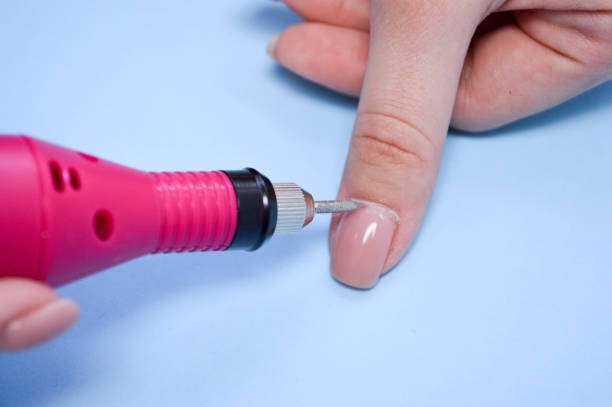
Nail drills not only affect the tool’s lifespan but also directly impact the health and safety of users and customers. Proper cleaning, alcohol disinfection, deep UV sterilization, drying during storage, and regular inspection can keep drill bits sharp and hygienic.
For home users: Alcohol disinfection is simple and inexpensive; it can occasionally be supplemented with ultraviolet disinfection.
Professional nail salons: Combining alcohol and UV disinfection to ensure hygiene and efficiency under high-frequency use.
Regular inspection and categorized storage: Extend the lifespan of drill bits and enhance the nail salon experience.
Master these techniques, and your nail drill will become a reliable and efficient nail care assistant, providing the best user experience in both home and professional settings.