Regular polishing vs. bio-polishing: Nail care options under nail drill

Nail care is not only about aesthetics but also about health. In-home nail salons, nail drills have become an indispensable tool. Compared to traditional hand filing, they can precisely and efficiently treat the nail surface. However, when it comes to polishing, you might encounter two options: regular polishing and bio-polishing. Which one is right for you? What are the differences between them? This article will combine my experience to provide a detailed analysis of these two polishing methods and teach you how to use a nail drill to achieve the best results.
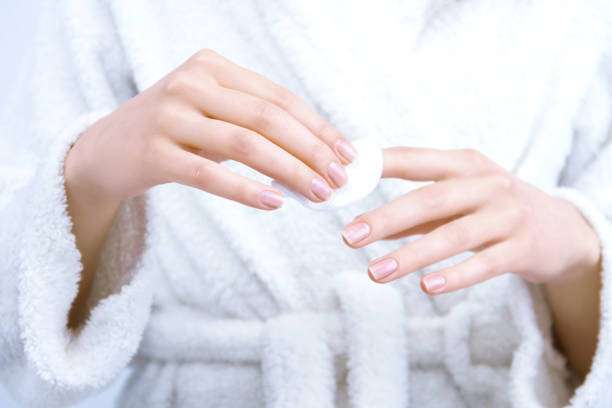
The principle and effect of ordinary polishing
Regular polishing primarily uses a high-speed rotating buffing head to lightly abrade the nail surface, making the nails smooth and adding shine. Its characteristics are:
It works quickly
, making the nail surface noticeably smooth and shiny within minutes, perfect for temporary manicures or quick treatments.
Nail drills, when used
with flat or cylindrical heads, can remove minor imperfections from the nail surface and remove old nail polish residue, leaving the nails smooth.
It is easy to operate
and does not require complicated skills. Beginners can easily complete ordinary polishing with the nail drill.
The first time I used a nail drill at home for regular polishing, it only took me 5 minutes to make my entire nail surface shiny and new, saving almost half the time compared to hand filing. However, I found that although the surface was shiny, the natural texture of the nails was slightly dry, and frequent use over a long period of time may cause the nails to become thinner.
The Principles and Advantages of Biopolishing
Bio-polishing, also known as healthy polishing, has become increasingly popular in home nail care in recent years. It emphasizes the natural shine and health of the nails, and its features include
Gentle polishing
uses a low-speed buffing head to lightly buff the nail surface, rather than forcefully removing the surface layer, reducing nail damage.
protects nail structure
by emphasizing the retention of nail proteins and moisture, ensuring that long-term use will not cause nails to become thinner or crack.
natural polishing
, the nail surface has a healthy shine, rather than just a mirror-like brightness, and is closer to the texture of a natural nail surface.
nail drill for bio-polishing weekly for two consecutive months, my nails are noticeably stronger, have a natural shine, and are less prone to splitting. Compared to regular polishing, I prefer bio-polishing as a long-term care method, especially suitable for people with thin or sensitive nails.
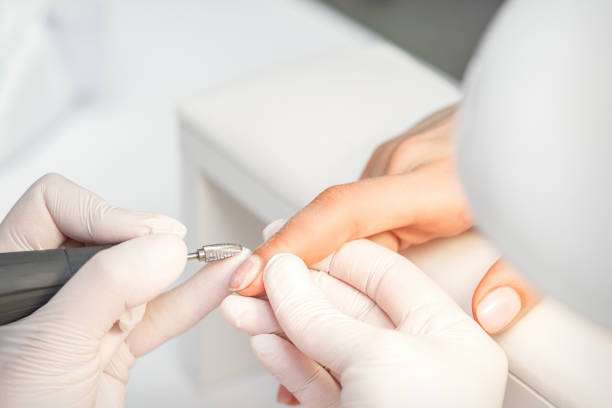
Conventional polishing vs. biopolishing: A detailed comparison
| characteristic | Ordinary polishing | Biopolishing |
| Operation speed | quick | slow |
| Nail damage | Slightly higher | Very low |
| Gloss effect | Obvious mirror | Natural Health |
| Suitable for | Temporary nail art, thick nails | Long-term care, thin nails, sensitive nails |
| Frequency of use | Frequent use is acceptable, but caution is advised. | Recommended 1-2 times per week |
| Use tools | nail drill + flathead/cylindrical grinding head | nail drill + low-speed soft grinding head |
The comparison shows that conventional polishing is suitable for quick processing, while bio-polishing is more suitable for long-term health maintenance.
Nail drill usage techniques in two polishing processes
For regular polishing, choose a medium-hardness buff head and a moderate to high speed to gently buff the nail surface, avoiding lingering on the same spot for too long.
For bio-polishing, choose a soft or abrasive head and keep the speed low, gently moving it along the nail surface. The operation time can be slightly longer to ensure a natural shine.
Points to note when purchasing a nail drill
Since the nail drill is the core tool for achieving these two types of polishing, it is recommended to pay attention to the following aspects when purchasing it:
Speed adjustment range: Ensures suitable speeds are achieved for both conventional and bio-polishing.
Grinding head variety: Equipped with grinding heads of different materials and shapes to meet a variety of polishing needs.
Motor type: Brushless motors are more durable, have less vibration, and offer a more comfortable operating experience.
Handle design: Lightweight and comfortable to hold, facilitating extended use.
The nail drill I use is lightweight and low-noise, making it perfect for home nail care. It can handle both regular and bio-polishing.
Common problems in conventional polishing and biopolishing
Will regular polishing damage nails?
Overuse or high-speed polishing may damage nails. It is recommended to control the operation time and the pressure of the polishing head.
Can bio-polishing replace regular polishing?
For thick nails or quick manicures, regular polishing is more efficient; bio-polishing is suitable for long-term care.
How frequently should
You use a nail drill for polishing? Regular polishing can be done 1-2 times per week; biopolishing is sufficient once a week.
Can beginners use bio-polishing?
Yes, it is safe to use with a low-speed soft polishing head. It is recommended to practice on artificial nails first.
Summarize
Both regular polishing and bio-polishing have their advantages. Regular polishing is quick and suitable for temporary manicures, while bio-polishing is gentle, protects nails, and is healthier with long-term use. With a nail drill, you can easily achieve both polishing effects at home.
Based on my personal experience, I recommend that beginners start with regular polishing to master the technique and then gradually try bio-polishing to enjoy manicures while protecting nail health. Whether you’re aiming for a quick and shiny mirror finish or focusing on natural nail shine and long-term health, understanding the difference between regular and bio-polishing and using nail drills appropriately will make your nail care more professional and scientific.
If you’d like to try nail care, click to view our products. Our carefully selected nail drills will help you create perfect nails.